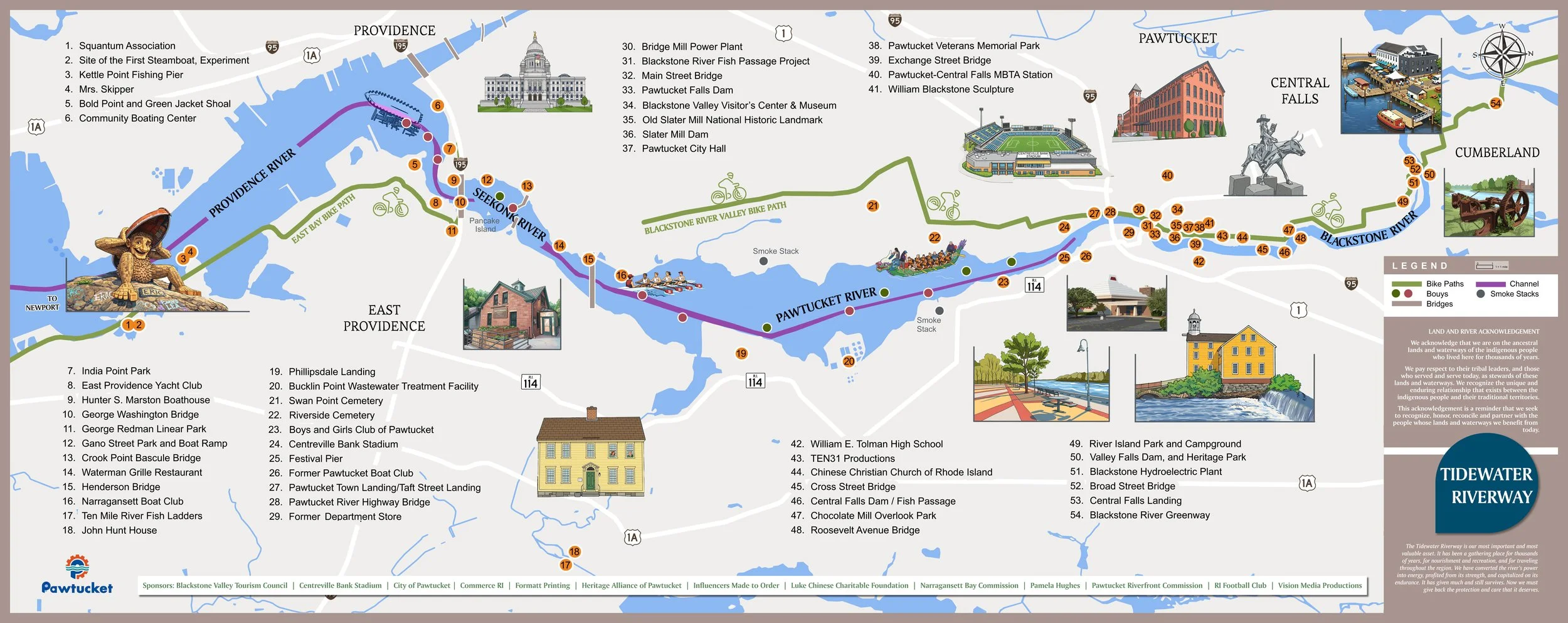
Riverways as Story Corridors: Lessons from the Tidewater Riverway Symposium
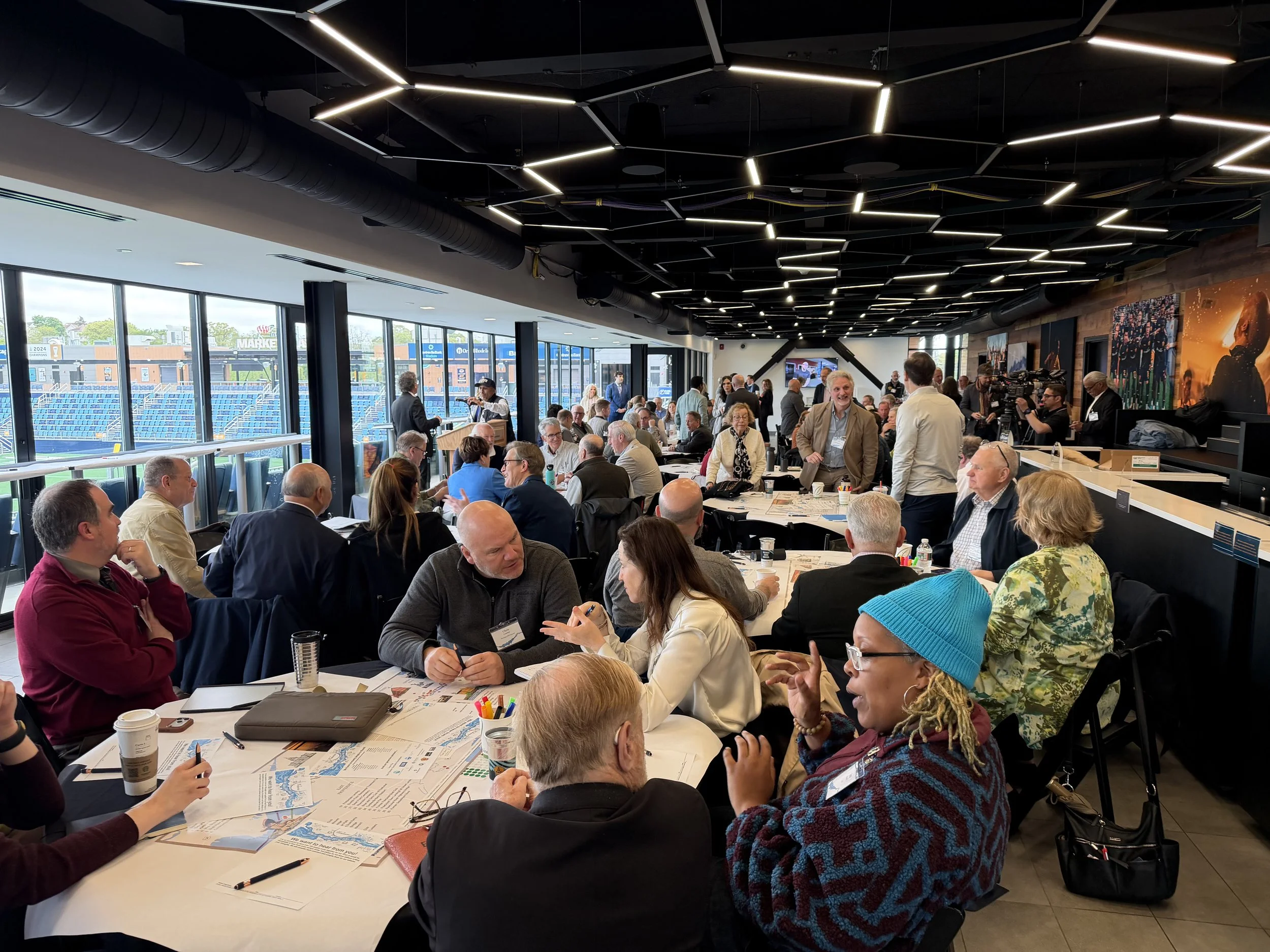
On May 14, the Future of Small Cities Institute joined local, state, and regional leaders at the Tidewater Riverway Symposium in Pawtucket, Rhode Island, a day-long gathering focused on the future of the communities connected by the Blackstone River Valley, including Cumberland, Pawtucket, Central Falls, East Providence, and Providence.
Hosted at Centreville Bank Stadium, the symposium brought together nearly 100 elected officials, planners, residents, business leaders, and civic organizations to imagine what a truly regional riverfront could become. Opening remarks were offered by Tidewater Riverfront convener Bob Billington, Pamela Hughes of the Pawtucket Riverfront Commission, Narragansett Tribal Leader Bella Noka, Pawtucket Mayor Donald Grebien, Rhode Island Commerce Secretary Stefan Pryor, and Governor Dan McKee. An opening video featured a remarkable version of Mark Twain walking along the modern day Blackstone musing on the stories rivers tell us.
Reif Larsen, Executive Director of FoSCI offered the Keynote presentation alongside Ethan Kent, Executive Director of PlacemakingX, whose work has helped shape the global placemaking movement. Ethan’s presentation challenged participants to think beyond infrastructure and development projects and instead focus on the creation of places people genuinely love. As he noted, placemaking is not simply about delivering a design—it is about strengthening the connection between people and the places they share. The goal is not merely to create a livable city, but a lovable one.
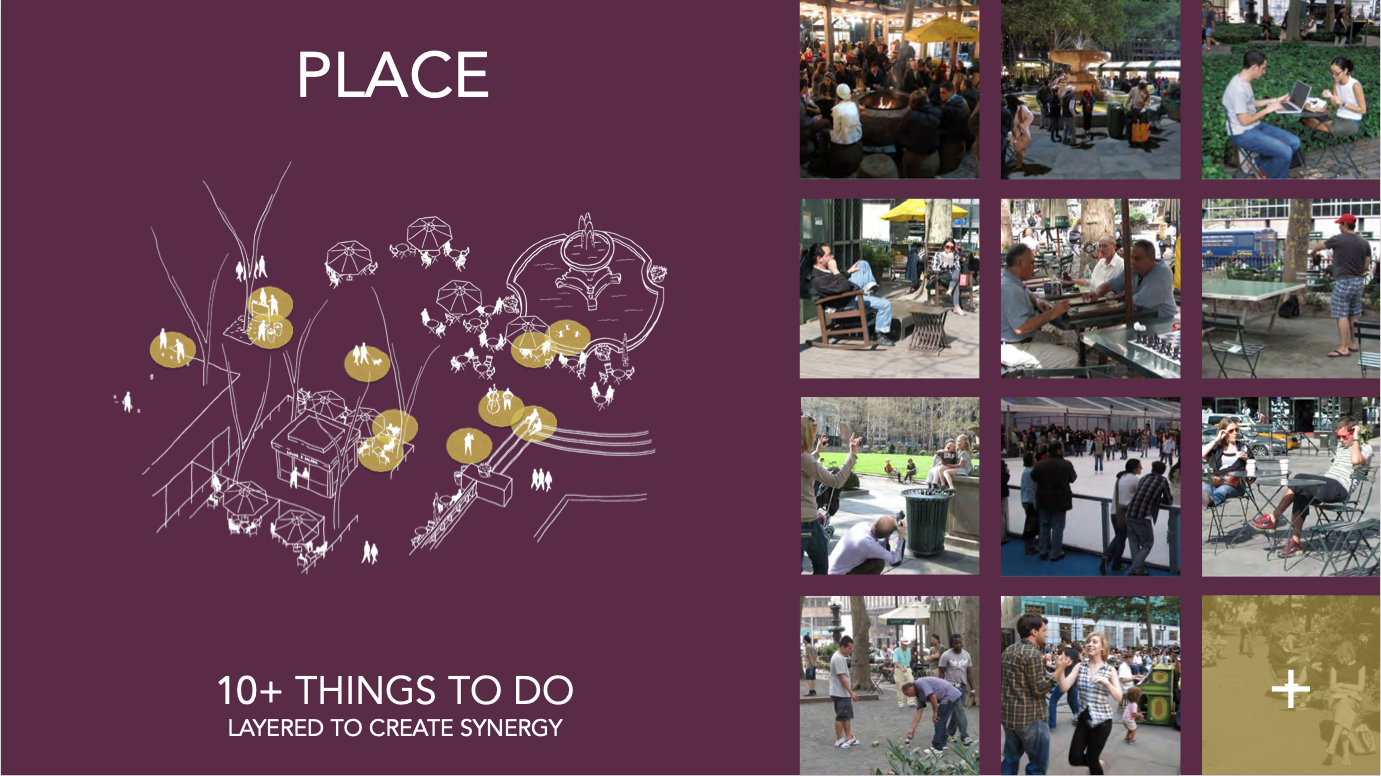
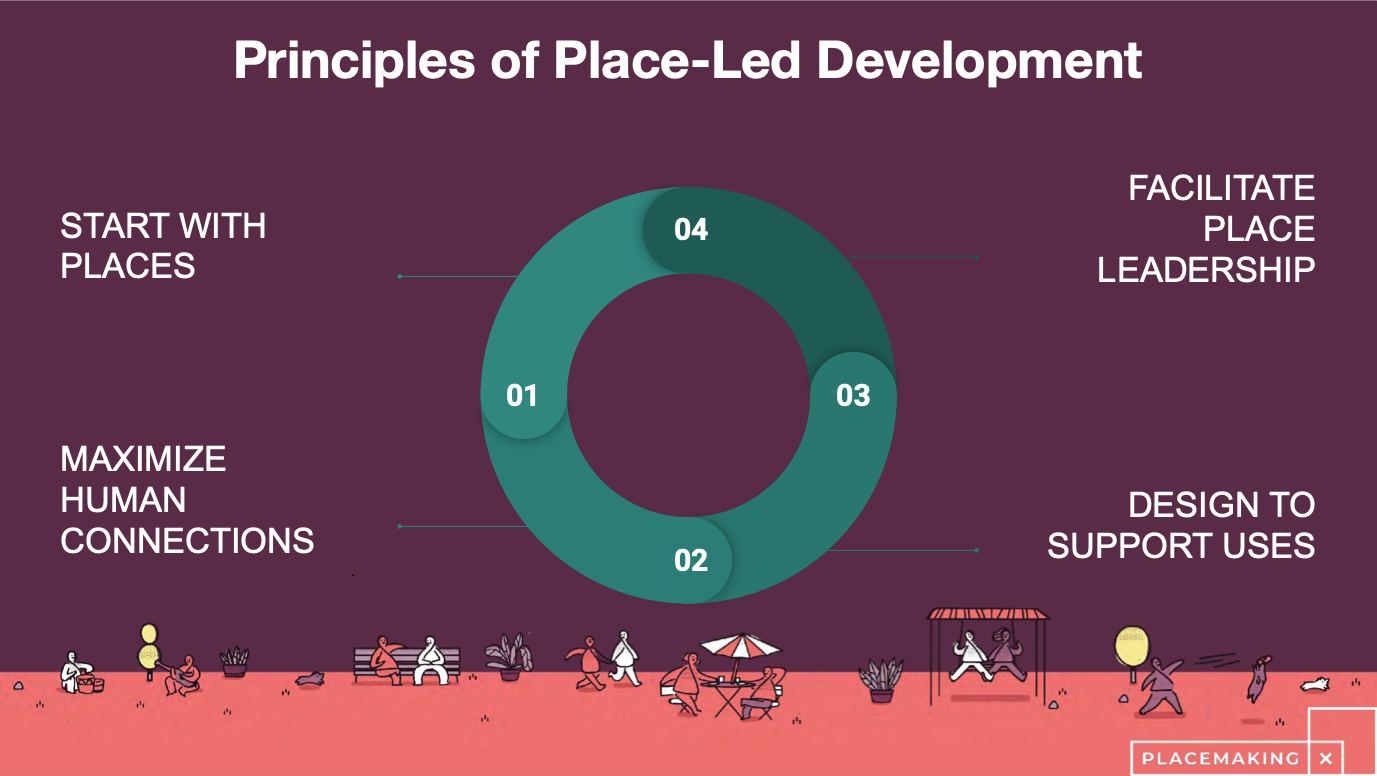
Reif’s presentation focused on the role riverways have played—and continue to play—in the evolution of small and mid-sized cities. Drawing on examples from communities across the Hudson Valley and Massachusetts, including work connected to MassDevelopment’s Transformative Development Initiative (TDI), Reif argued that rivers are more than natural resources or recreational amenities. They are story corridors: places where history, ecology, culture, industry, and community identity intersect.
One theme that resonated throughout the day was the idea that successful riverfronts require both physical investments and civic infrastructure. Communities need organizations, spaces, and processes that allow residents to participate in shaping a shared vision for the future. To that end, Reif highlighted the concept of the Urban Room—a public-facing space where residents can gather, learn about their city, tell stories, examine plans, contribute ideas, and collectively imagine what comes next. Urban Rooms have emerged in cities around the world as places where civic participation becomes tangible and ongoing.
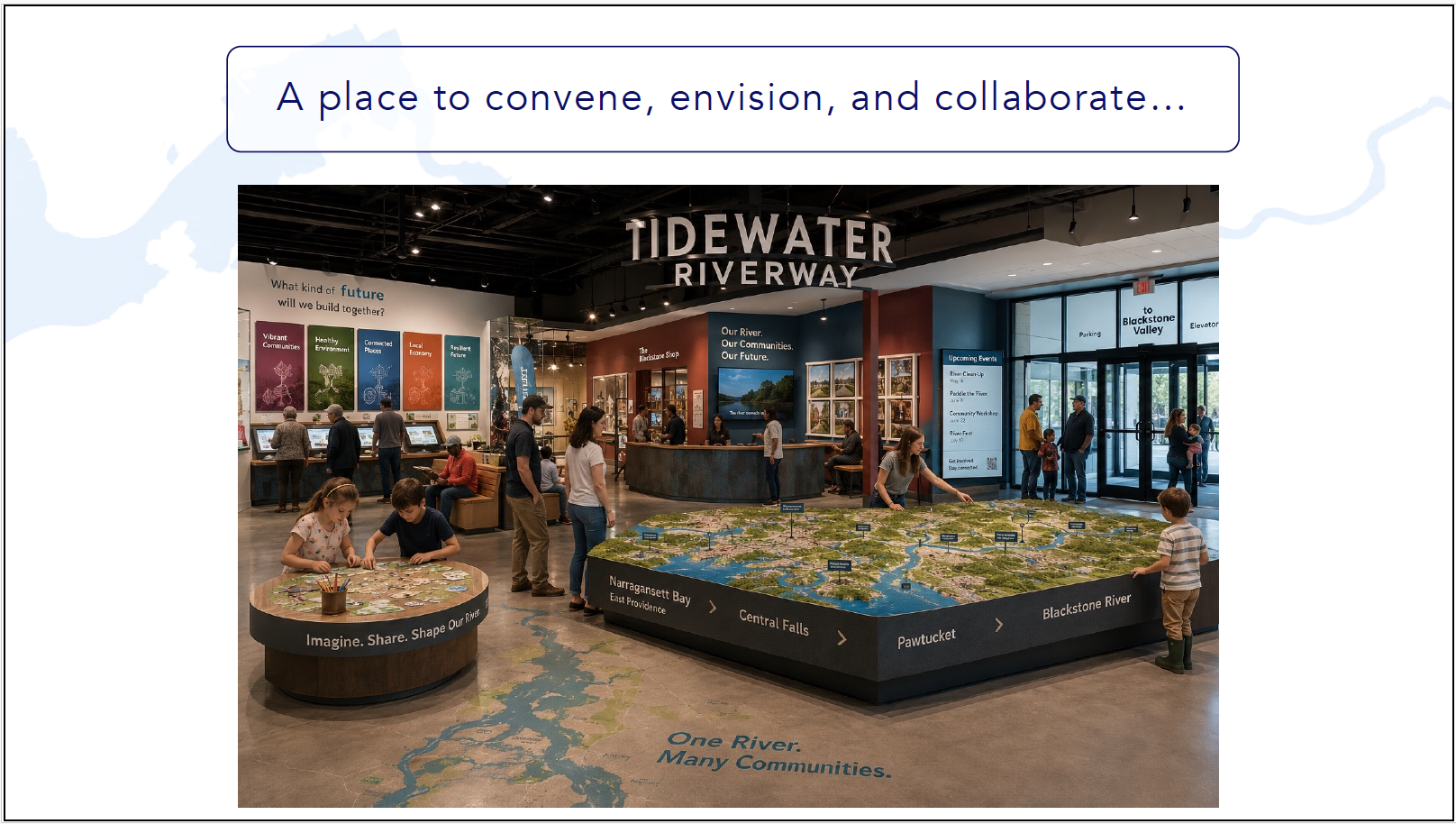
The Blackstone Valley Visitor Center as an “Urban Room”—a space to vision and debate the future.
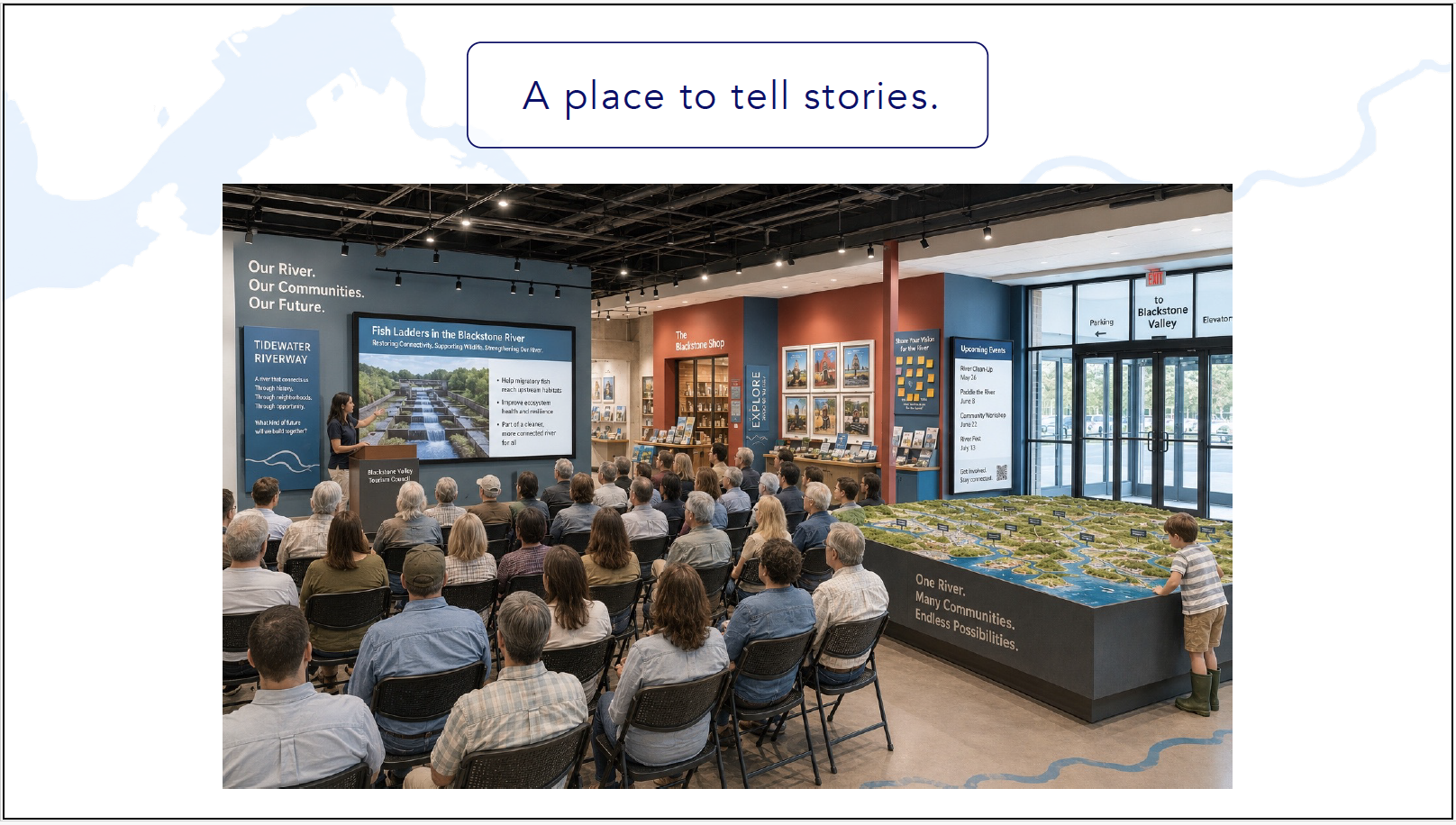
Urban Rooms are flexible spaces that allow for a range of stories and exhibitions.
What makes Pawtucket particularly exciting is that it may already possess the foundation for such a space. Just steps from the river sits the Blackstone Valley Visitor Center, an extraordinary civic asset that could serve as an Urban Room for the region. Across the street stands the Slater Mill National Historic Landmark, one of the nation’s most significant sites of industrial history. Few communities have such powerful storytelling infrastructure already in place. Together, these institutions offer an opportunity to connect the past, present, and future of the Blackstone Valley through exhibitions, public programming, community conversations, and collaborative planning.
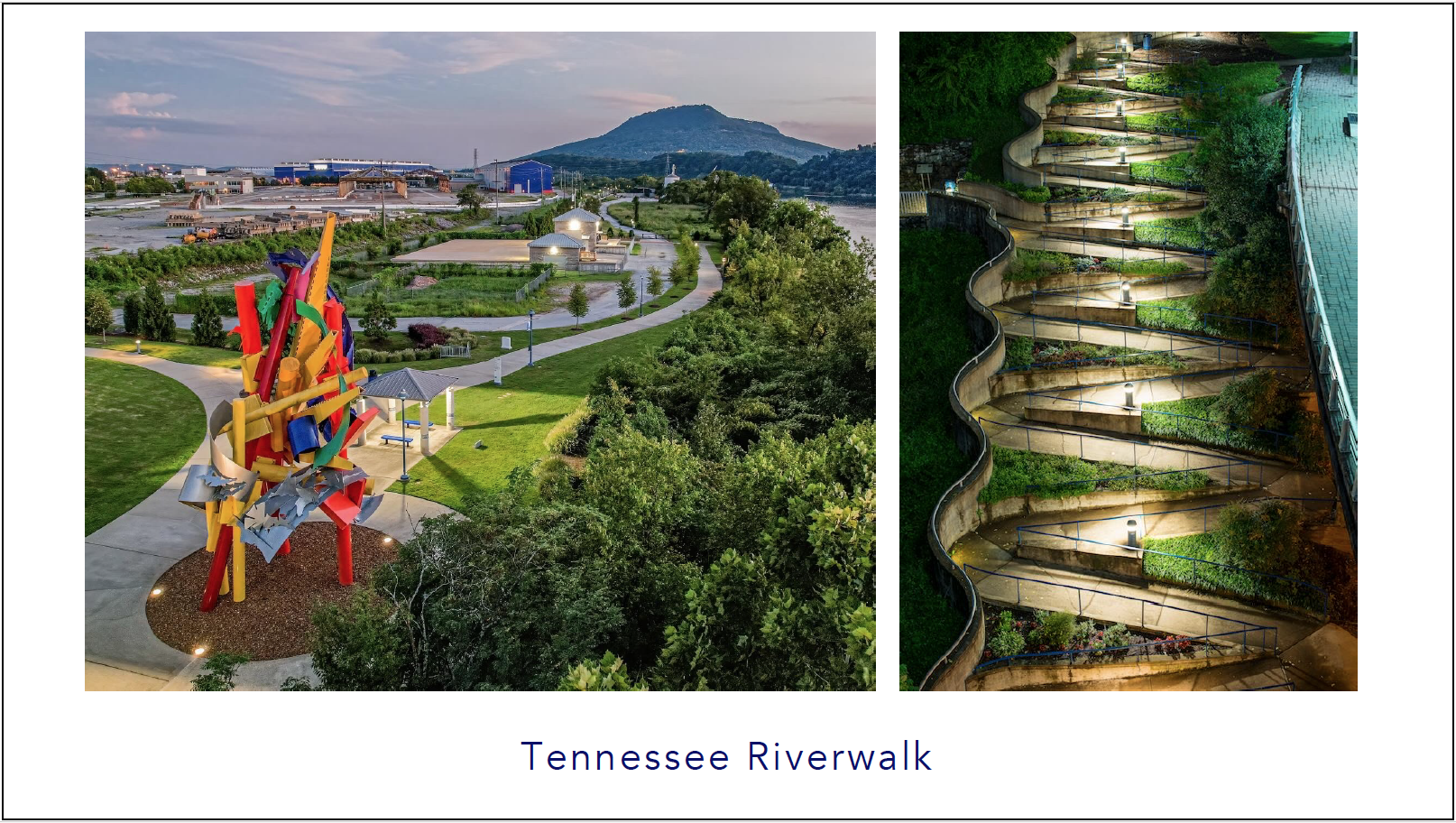
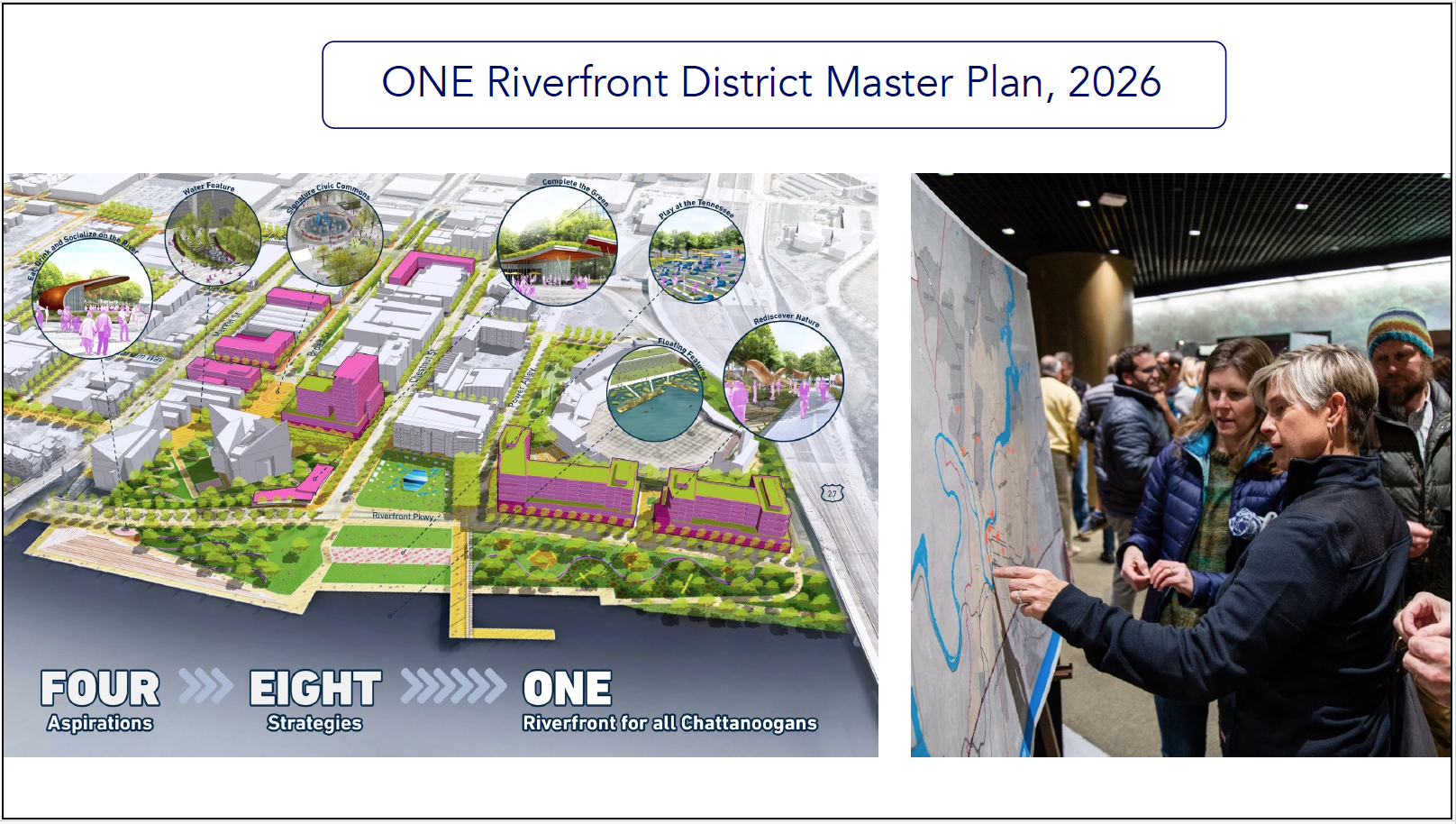
The symposium also explored the question of stewardship. Who helps convene the conversations, maintain momentum, and champion a long-term vision that extends beyond election cycles? As one possible model, Reif pointed to the case study of Chattanooga’s River City Company, an independent nonprofit organization established in 1986 to coordinate visioning, partnerships, investment, and public engagement around downtown Chattanooga and its riverfront. Working across government, philanthropy, business, and community sectors, River City Company has helped guide decades of waterfront transformation while maintaining a focus on public benefit and long-term civic goals. Their projects have ranged from the early day building of the crucial Tennessee Riverwalk to the yearlong ONE Riverfront District Master Plan that was able to synthesize a huge amount of community input, take four civic aspirations, eight design strategies and produce a single plan.
Perhaps most encouraging was the collaborative spirit that emerged throughout the day. Participants worked in small groups to map riverfront assets, identify opportunities, and develop placemaking ideas for specific locations along the water. Groups were asked to tell twelve-word micro stories about waterfront sites, design short and longterm plans, and even come up with the next date they will meet up as a team. The exercises reinforced a simple but powerful lesson: the future of the Tidewater Riverway will not be created by any single municipality, organization, or plan. It will be built through ongoing collaboration among the many communities connected by these waters.
The rivers themselves offer a useful metaphor. They flow across municipal boundaries without regard for jurisdictional lines, linking Pawtucket, Central Falls, East Providence, Providence, Cumberland, and beyond. Their future will likely depend on a similar willingness to think regionally.
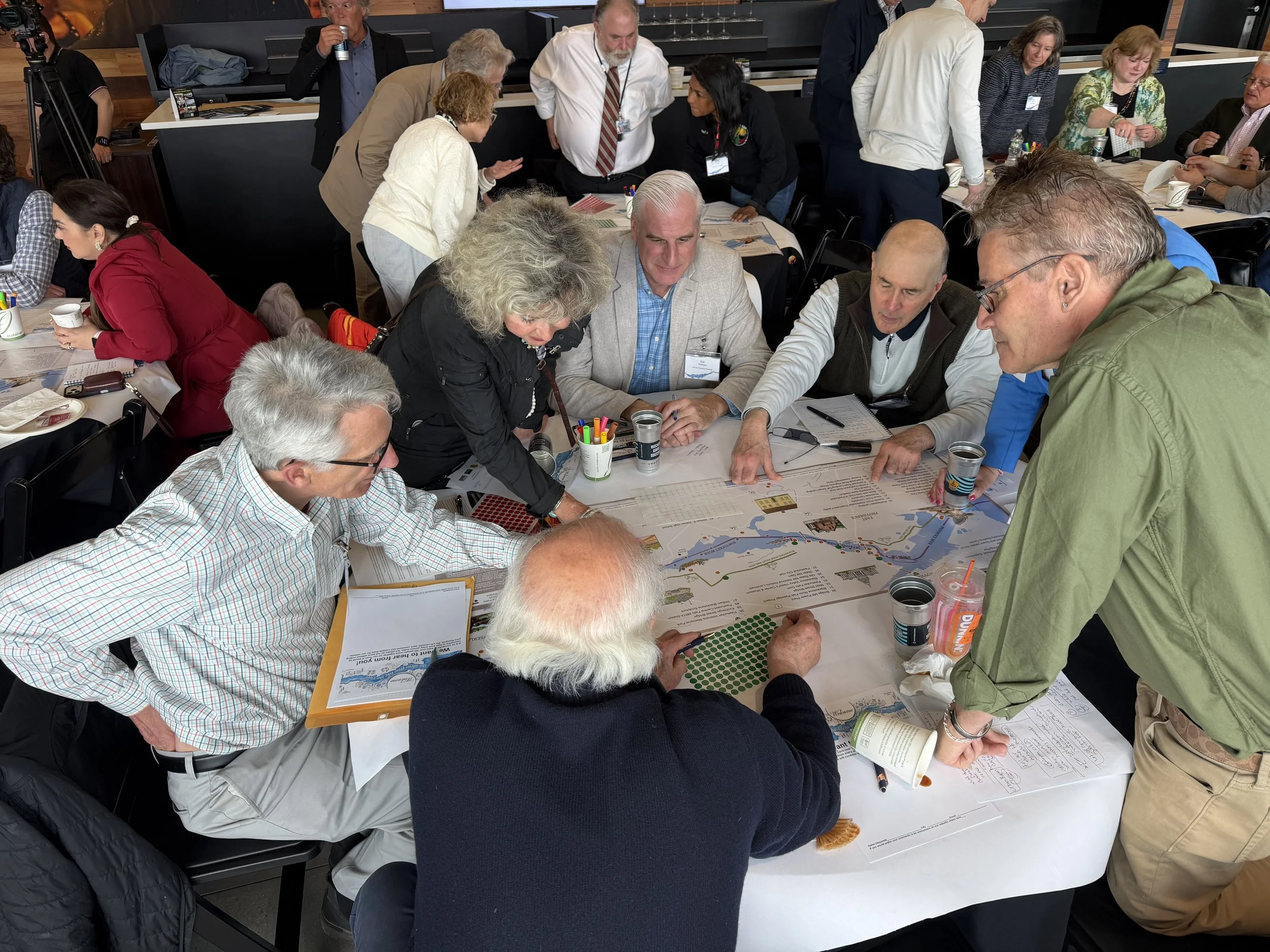
Symposium participants mapping assets along the Riveryway.
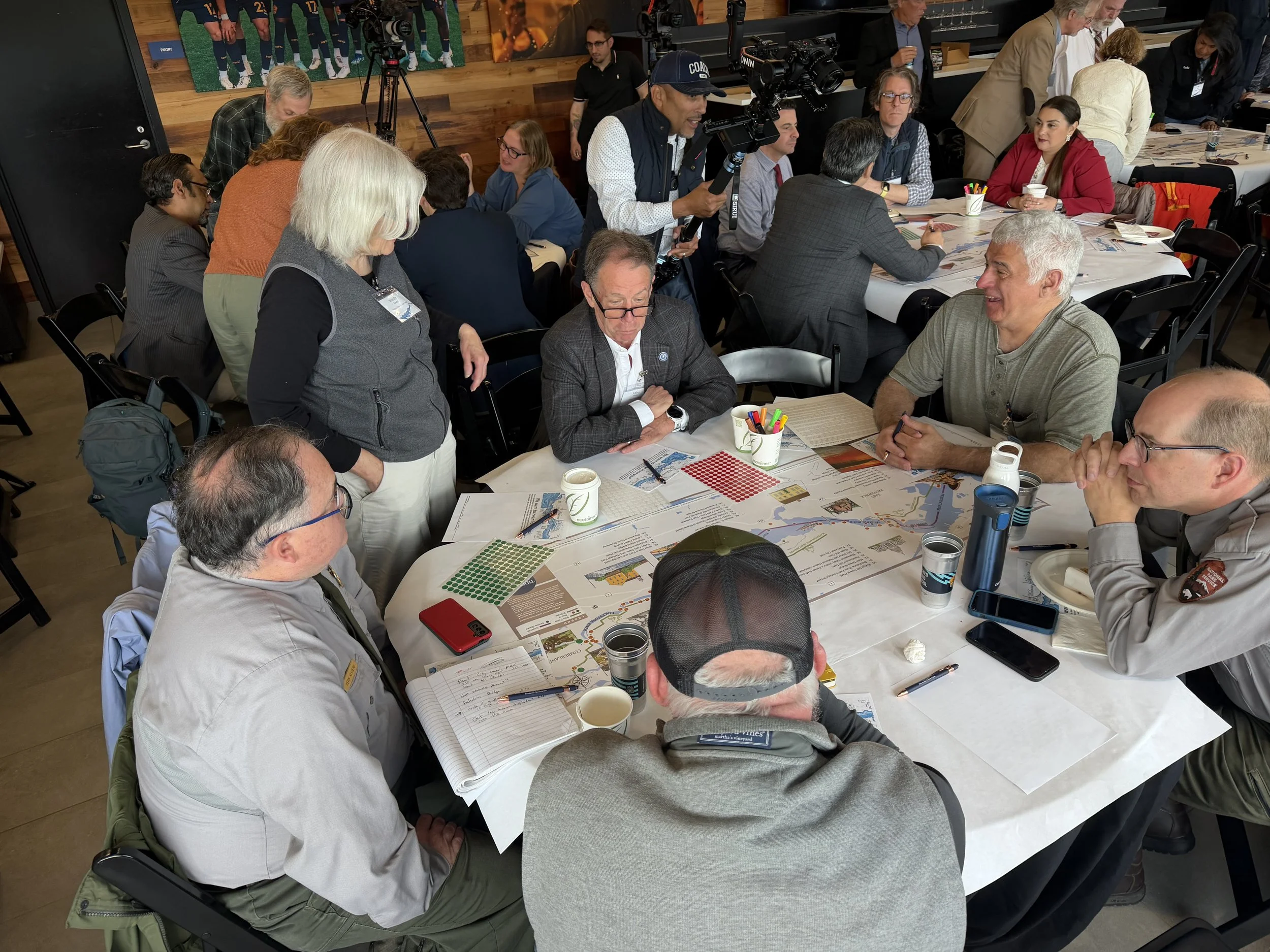
Discussing their 12-word place-based micro-story!
Several ideas surfaced repeatedly throughout the symposium. Completing the remaining gaps in the regional bike and pedestrian network could create a continuous riverfront experience connecting communities throughout the corridor. This trail could feature increased river access points and also offer to honor the forgotten stories of the Native Americans that stewarded this river for thousands of years.
Participants also discussed the possible design ethos of the new pedestrian bridge that will be built across the Blackstone River in front of Centreville Bank Stadium. This bridge has the potential to become a symbol, to do more than simple move people from one side of the river to the other. Like the great pedestrian bridges of other cities, it could become a destination in its own right: a symbol of connection, identity, and shared purpose.
The Tidewater Riverway Symposium was ultimately less about a single project than a larger question: How can a river become the organizing story of a region? The answer will emerge over time, through continued conversations, experimentation, and partnership. But if the energy in the room was any indication, Pawtucket and its neighboring communities have an opportunity to build something remarkable together.